
Driveway Flooding Solutions: Why Your Driveway Floods and How to Fix It
- Resinated

- Mar 27
- 4 min read
Ever stepped out to your driveway only to find it looking more like a mini pond than a place to park your car? Frustrating, isn’t it? Driveway flooding is a common headache for many homeowners and businesses, especially in areas prone to heavy rain or poor drainage. But why does this happen, and more importantly, how can you fix it without turning your driveway into a soggy mess every time the skies open up?
Let’s dive into the nitty-gritty of driveway flooding solutions, breaking down the causes and exploring practical fixes that can keep your driveway dry and welcoming all year round.
What Causes Driveway Flooding?
Before you can fix a problem, you need to understand it. Driveway flooding usually happens because water has nowhere to go. Think of your driveway as a stage - if the exits are blocked or too small, the audience (water) gets stuck and causes a mess.
Here are some common culprits:
Poor Drainage Design: If your driveway slopes the wrong way or is flat, water pools instead of flowing away.
Blocked Drains or Gutters: Leaves, dirt, and debris can clog drainage systems, turning your driveway into a water trap.
Soil Saturation: Sometimes, the ground beneath your driveway can’t absorb any more water, especially after heavy rain.
Impermeable Surfaces: Traditional concrete or asphalt doesn’t let water soak through, so it runs off and collects in low spots.
Nearby Landscaping Issues: Raised flower beds or compacted soil near your driveway can redirect water onto it.
If you’ve ever wondered why does my driveway flood, these are the usual suspects. Understanding these factors is the first step to a dry driveway.

Driveway Flooding Solutions: What Works Best?
Now that we know what causes the problem, let’s talk solutions. The good news? There are plenty of ways to tackle driveway flooding, from simple DIY fixes to professional installations.
1. Improve Drainage
The most straightforward fix is to make sure water has a clear path away from your driveway.
Install Channel Drains: These are narrow grates that run across your driveway, catching water and directing it to a drainage system.
French Drains: A trench filled with gravel and a perforated pipe that redirects water underground.
Slope Adjustment: Sometimes, just regrading your driveway so it slopes away from your home can make a huge difference.
2. Use Permeable Materials
Traditional concrete and asphalt are like water’s worst enemies. They don’t let it through, so it pools on the surface. Permeable paving materials allow water to soak through, reducing runoff.
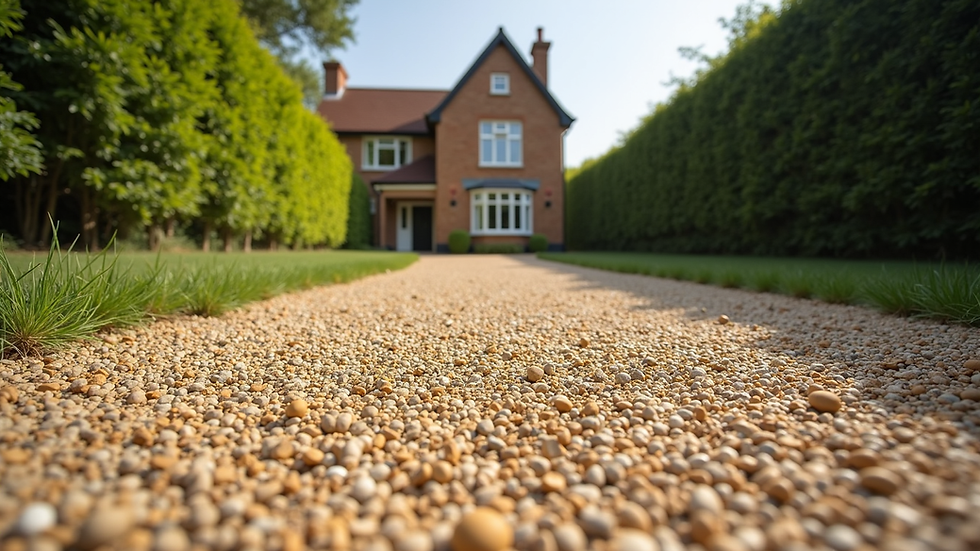
Resin Bound Gravel: A popular choice that combines aesthetics with permeability.
Permeable Pavers: Specially designed blocks with gaps that let water pass through.
Gravel Driveways: Simple and effective, though they require maintenance.
3. Regular Maintenance
Sometimes, the fix is as simple as keeping things clean.
Clear Gutters and Drains: Regularly remove leaves and debris.
Check for Blockages: Make sure your drainage systems are free-flowing.
Inspect After Storms: Look for new low spots or damage that could cause pooling.
4. Landscaping Adjustments
Your garden can be a friend or foe when it comes to drainage.
Create Swales: Shallow ditches that direct water away.
Use Rain Gardens: Plant areas designed to absorb excess water.
Avoid Compacted Soil: Aerate soil near your driveway to improve absorption.

How to Fix Driveway Flooding?
Alright, so you’re ready to roll up your sleeves and get that driveway sorted. Here’s a step-by-step guide to fixing driveway flooding:
Step 1: Assess the Problem
Walk around your driveway after a rainstorm. Where does the water collect? Is it pooling in one spot or all over? This will help you decide what kind of solution you need.
Step 2: Choose Your Solution
Based on your assessment, pick the best fix:
For small puddles, improving drainage or regrading might do the trick.
For larger or recurring problems, consider installing permeable surfaces or professional drainage systems.
Step 3: DIY or Call in the Pros?
Some fixes, like clearing drains or minor regrading, you can handle yourself. But for installing channel drains, French drains, or laying permeable resin bound surfaces, it’s best to get experts involved. They’ll ensure the job is done right and complies with local regulations.
Step 4: Maintain Your Driveway
Once fixed, keep an eye on your driveway. Regular cleaning and inspections will prevent future flooding.
Step 5: Consider Long-Term Solutions
If flooding is a persistent issue in your area, investing in engineered, permeable outdoor surfaces can save you headaches down the line. These solutions are designed to handle heavy rainfall and keep your driveway structurally sound.
Why Permeable Driveways Are a Game Changer
You might be wondering, “Why bother with permeable surfaces?” Well, they’re not just a fancy trend. Permeable driveways offer several benefits:
Reduce Flooding: Water soaks through instead of pooling.
Environmentally Friendly: They help recharge groundwater and reduce runoff pollution.
Long-Term Durability: Engineered correctly, they last and maintain their appearance.
Compliance with Regulations: Many local councils encourage or require permeable surfaces to manage stormwater.
If you want a driveway that’s both beautiful and practical, permeable paving is worth considering.
Keep Your Driveway Dry and Happy
Flooded driveways are more than just an eyesore, they can cause damage, create slippery surfaces, and even affect your property’s value. But with the right approach, you can say goodbye to puddles and hello to a driveway that works for you, rain or shine.
Whether it’s improving drainage, switching to permeable materials, or regular maintenance, there’s a solution out there that fits your needs. And remember, sometimes the best fix is a combination of methods tailored to your specific situation.
So next time you’re faced with a flooded driveway, you’ll know exactly what to do. No more soggy shoes or slippery slopes; just a dry, welcoming space ready for whatever the weather throws at it!


Comments