
UK Driveway Regulations for 2026: What You Need to Know About 2026 Driveway Requirements
- Resinated

- Mar 27
- 5 min read
So, you’re thinking about sprucing up your driveway? Maybe it’s time for a fresh look or a more practical surface. But before you grab the shovel or call in the pros, there’s a little thing called regulations to consider. Yes, those pesky rules that make sure your driveway isn’t just pretty but also safe, legal, and good for the environment. Let’s dive into the world of 2026 driveway requirements and what they mean for you.
What Are the 2026 Driveway Requirements?
You might be wondering, “Why all the fuss about driveways now?” Well, the UK government is stepping up its game to tackle flooding and environmental concerns. The new rules for 2026 focus heavily on permeable surfaces. That’s a fancy way of saying your driveway should let water soak through rather than just run off into the street.
Why does this matter? Because when water can’t soak into the ground, it floods streets, overwhelms drains, and causes all sorts of headaches. So, the 2026 driveway requirements are designed to keep water where it belongs; in the soil, not the gutters.
Here’s the lowdown:
Permeable materials like resin-bound gravel, porous concrete, or permeable pavers are preferred.
Traditional impermeable surfaces like plain concrete or tarmac might need planning permission or special drainage solutions.
If you’re replacing or installing a driveway over a certain size (usually 5 square metres or more), you’ll need to comply with these rules.
You might have to install soakaways or drainage channels to manage water runoff.
Sounds complicated? Don’t worry, it’s mostly about choosing the right materials and design. And yes, it’s a great excuse to pick something stylish and eco-friendly!

How Do These Regulations Affect Homeowners and Businesses?
Whether you’re a homeowner or running a business, these regulations have a direct impact. For homeowners, it means your driveway project might need a bit more planning. For businesses, especially those with parking lots or delivery areas, it’s about ensuring compliance to avoid fines and keep your property safe.
Here’s what you should keep in mind:
Planning Permission: If your driveway is larger than 5 square metres and you’re using impermeable materials, you might need to apply for planning permission. This can add time and cost to your project.
Surface Choices: Opting for permeable surfaces can often bypass the need for permission. Plus, it’s a win for the environment.
Drainage Solutions: If impermeable surfaces are a must, you’ll need to install drainage systems like soakaways or connect to existing drainage infrastructure.
Maintenance: Permeable surfaces often require less maintenance and reduce puddles and ice patches in winter. Bonus!
For businesses, the stakes are higher. Non-compliance can lead to penalties, and poor drainage can cause damage to vehicles or property. So, investing in the right driveway design is not just smart, it’s essential.
What Materials Are Best for 2026 Driveway Requirements?
Now, let’s talk materials. You want your driveway to look good, last long, and tick all the regulatory boxes. Here are some popular options that fit the bill:
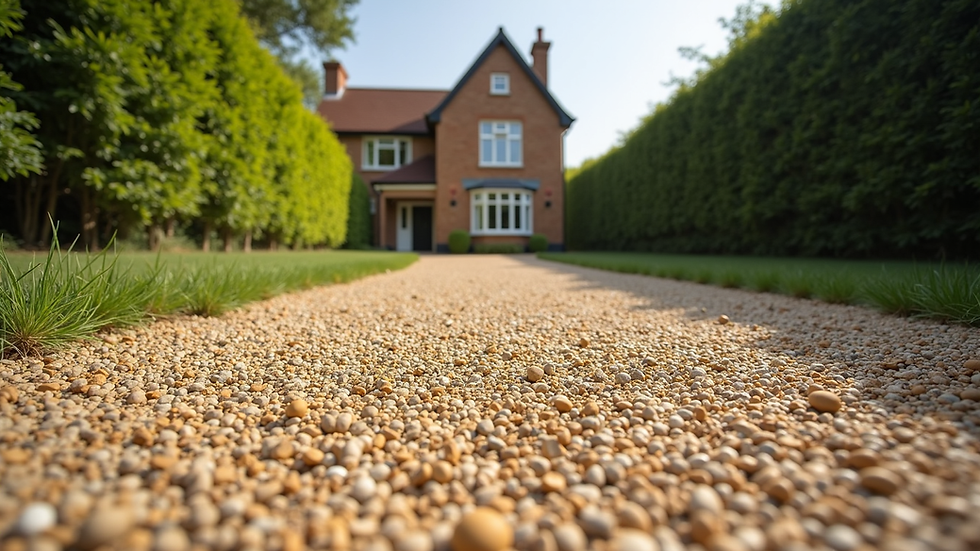
Resin Bound Gravel: A smooth, durable surface that lets water through. It’s also visually appealing and comes in various colours.
Permeable Pavers: These are specially designed blocks with gaps or porous materials that allow water to seep through.
Porous Concrete: Similar to regular concrete but with tiny holes to let water pass.
Grass Pavers: Plastic grids filled with soil and grass, great for a green look and water absorption.
Gravel: Traditional but effective if laid correctly with proper base layers.
Each material has its pros and cons. For example, resin bound surfaces are low maintenance and look sleek but can be pricier. Gravel is budget-friendly but might need topping up over time.
Choosing the right material depends on your budget, style preference, and how much water drainage you need. And remember, the goal is to keep water where it belongs!

Tips for Ensuring Your Driveway Meets the 2026 Regulations
Alright, so you know the rules and the materials. But how do you make sure your driveway ticks all the boxes? Here are some practical tips:
Consult a Professional: Especially if you’re unsure about planning permission or drainage requirements. Experts can guide you through the process.
Choose Permeable Surfaces: This is the easiest way to comply and avoid extra paperwork.
Check Local Council Guidelines: Regulations can vary slightly depending on your area, so always check with your local authority.
Plan for Drainage: If you must use impermeable materials, make sure you have a drainage plan in place.
Think Long-Term: Invest in quality materials and installation to avoid costly repairs or replacements.
Keep It Stylish: Regulations don’t mean boring! There are plenty of attractive permeable options that add curb appeal.
By following these tips, you’ll have a driveway that’s not only legal but also a joy to use and look at.
Why Permeable Driveways Are the Future
You might be asking, “Why all this focus on permeability?” Well, it’s not just about ticking boxes. Permeable driveways are a game-changer for several reasons:
Flood Prevention: They reduce surface water runoff, helping to prevent local flooding.
Environmental Benefits: They help recharge groundwater and reduce pollution entering waterways.
Improved Safety: Less standing water means fewer slippery patches and ice in winter.
Increased Property Value: A modern, eco-friendly driveway can boost your home’s appeal.
Compliance Made Easy: They often avoid the need for planning permission.
In short, permeable driveways are like the superheroes of outdoor surfaces. They save the day by managing water smartly and looking good while doing it.
If you want to learn more about the specifics, you can check out the official uk driveway regulations 2026 for detailed guidance.
Getting Your Driveway Ready for 2026 and Beyond
So, what’s the takeaway? If you’re planning a new driveway or upgrading an old one, now’s the time to think about the 2026 driveway requirements. It’s not just about following rules; it’s about making a smart investment in your property and the environment.
Here’s a quick checklist to get you started:
Decide on the size and location of your driveway.
Choose permeable materials where possible.
Check if you need planning permission.
Plan for drainage if using impermeable surfaces.
Hire a reputable installer with experience in compliant driveways.
Maintain your driveway to keep it in top shape.
By ticking these boxes, you’ll be ready to roll into 2026 with a driveway that’s legal, practical, and pretty darn impressive.
Remember, a driveway isn’t just a patch of concrete or gravel. It’s the welcome mat to your home or business. Make it count!
There you have it; a friendly guide to navigating the exciting world of UK driveway regulations for 2026. Whether you’re dreaming of a sleek resin surface or a charming gravel path, the key is to stay informed and plan ahead. Your future self (and the planet) will thank you!


Comments